37

Given the emissions that 3d printing gives off (ABS = styrene and other chemicals, PLA give some off, etc), what options are there to filter the air in the enclosure other than venting the air out of a window?

More information on the chemicals 3d printing emit:

It looks like activated carbon filters would be a strong performer for ABS (styrene) and PLA (lactide):

Are there better filtering materials or processes for filtering the air in an enclosure?

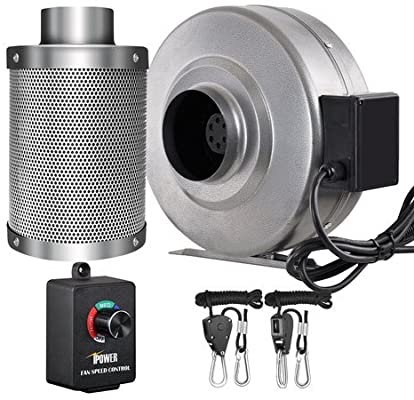
Here's an example filter setup:

Chase Westlye
  • 659
  • 2
  • 6
  • 8

6 Answers6

13

My residential materials expert referred me to these links (3D Printing Fume Extraction Solutions, and ABS 3d Printer Nanoparticle and Chemical Exhaust Air Filter) and thinks that you're pretty much on track with the idea of using activated carbon.

We both primarily print with ABS with my Replicator Dual and what's worked enough for me (in the past 5 years) is to keep my printer next to a window or vent in my den at home. The window is obviously a good ventilation option, but the variability that it creates in the ambient temperature screwed with my prints. Later, I moved my machine into its own hutch, which, if it is an option, would greatly help the overall environment for both the machine and any stored filament.

We'll keep poking around, but hopefully that helps in the mean time.

Greenonline
  • 6,748
  • 8
  • 40
  • 68
tbm0115
  • 6,344
  • 2
  • 21
  • 44
13

It depends on how often you use your printer, meaning how many particles does your printer emit for time-unit. If you print nonstop with 5 printers then it's a different situation, opposite to one print per week.

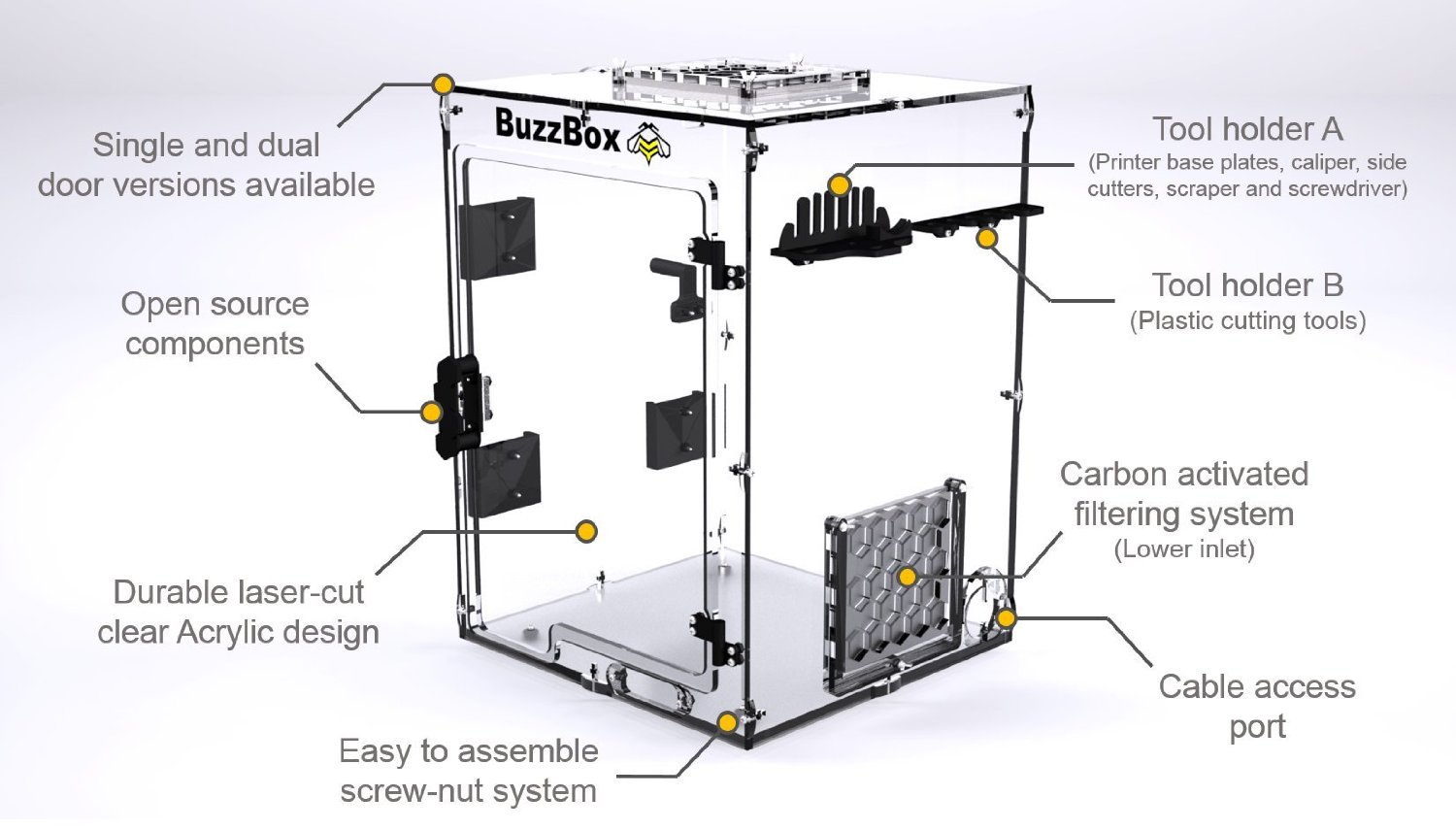
Best material for passive filtering is carbon foam. It has the ability to capture chemical fumes. See this filter comparison. Having an enclosure with such a filter would be a good start.

For example BuzzBox (Update: not available in 2024).

enter image description here

I have to say that I don't know the particle size of 3d printing emission and how good the filtering ability of carbon foam is.

A step above is to bind such an enclosure bundled with an air purifier.

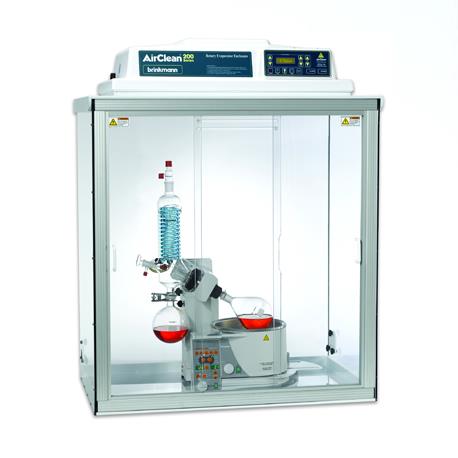
The best option would be laboratory equipment. But it is the most expensive one. It is designed to filter toxic vapours, fumes, gases and particles.

enter image description here

Update (2018)

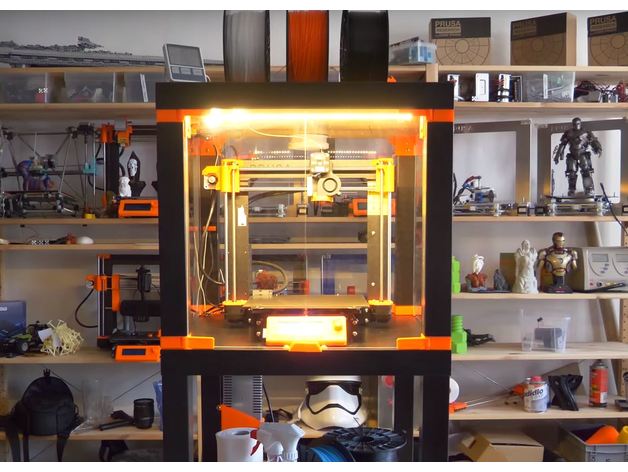
If you decide to build an enclosure on your own, take a look on Prusa's video on a DIY version build from Ikea table. There is no filtration system, but it should be simple enough to integrate a carbon foam with a ventilation.

enter image description here

Update

Here is an article about DIY enclosures: https://all3dp.com/2/3d-printer-enclosure-5-cheap-diy-options/

Update (2024)

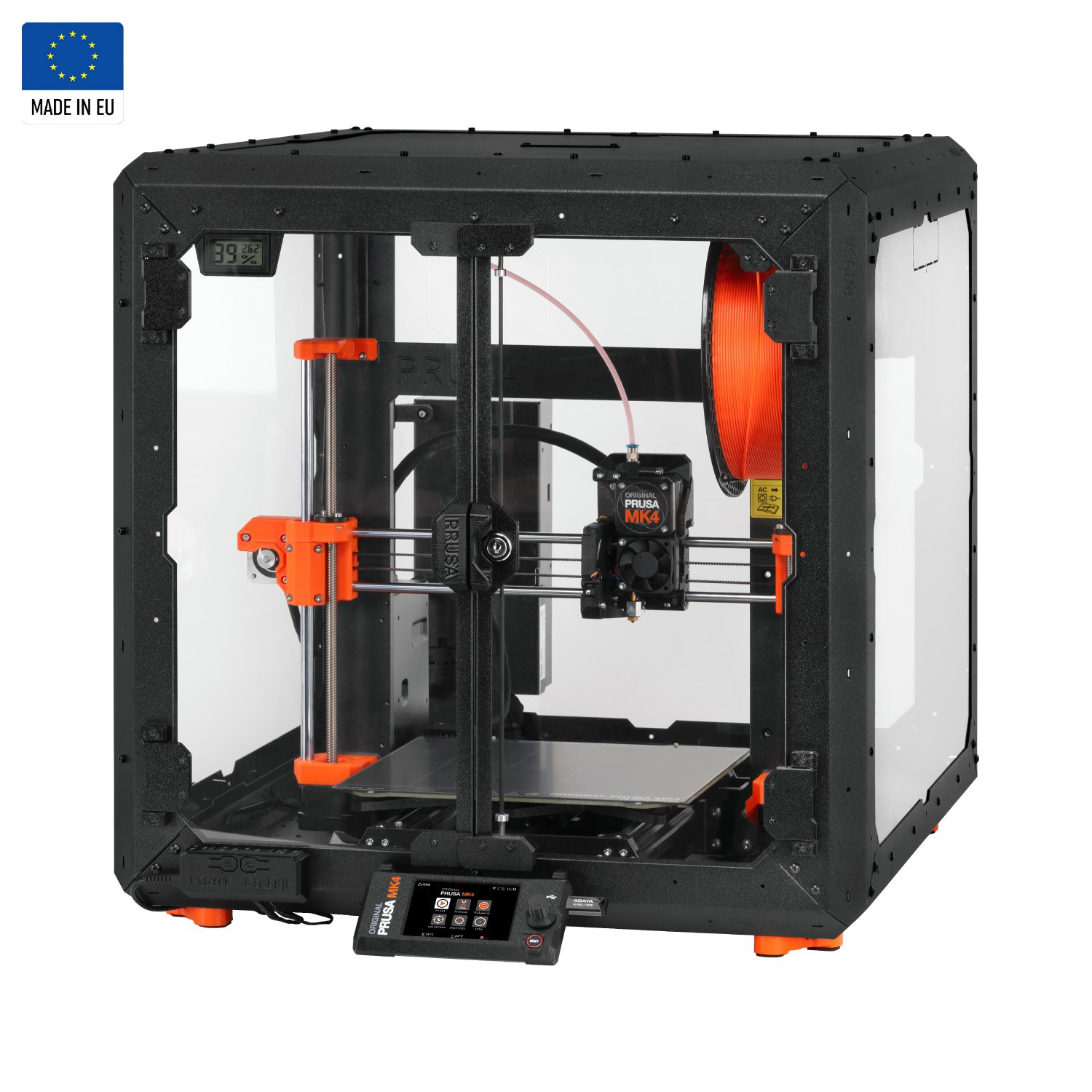
Prusa printers offers an enclosure: https://www.prusa3d.com/category/enclosure-2/

An optional filtration system (HEPA filter, 99.9% efficiency) prevents the spread of ultra-fine particles (UFPS).

enter image description here

amra
  • 1,941
  • 13
  • 17
7

I have looked into this a lot. Especially when I had a phd chem engineer girlfriend who kept talking about how the fumes might give me cancer.. Frankly the system you need just costs too much. Lab equipment can run 20k easily. Not to mention the noise. What you really need is a backyard shed, but as one who lives where it snows I understand that is rarely a realistic option.

The Buzzbox looks cool and there are other brands. However their prices are usually as much as a flashforge, and usually cannot even hold a flashforge. More importantly there are parts where you can DIY your own. 300 for a plexiglass case that can only hold a mini printer is not good enough by far.

Take a product like this air scrubber Or build your own this like this hard core one designed for a laser cutter.

The local hackerspace should have a large laser cutter. Plastic should run 100 - 200 depending on how thick of a sheet you want. I personally buy scrap pieces. Designing a square box, adding hinges, then coating the edges with silicon sealant. Evacuate the chamber when done printing. Also should double as a heat chamber..

For me, I can easily run 5 printers at a time. So I might take a metal Cabinet, seal it up. test it with a fog machine. Cut out a hole for the evacuation hose, and wire up camera. But I am far from having that much free time.

Also if I manage to make it air tight it should reduce fire hazard.

Taking that laser cutting fume extractor. There is nothing that will perform better than that. I hear you might get some smell, but that was in regards to laser cutters.

JJJ
  • 3,133
  • 3
  • 15
  • 29
6

I was very concerned about this issue when I bought my own 3d printer, so I decided to design fumes extraction solution for this. It is tailored only for my Zortrax M200 but I hope that it is good example of how to solve this problem with limited budget.

http://www.thingiverse.com/thing:1158639

mrh
  • 161
  • 1
  • 1
4

I designed this self-printable filter enclosure.

Rather than vent any air outside the printer enclosure, this will recirculate the air within, constantly running the air through the filter while at the same time conserving the heat needed for ABS prints. It's simple, and you can employ more than one of these or, using my design files, extend the size of the cabinet to stack more layers of carbon filtration material. It only employs one inexpensive PC fan to move air. I've found it effective for my purposes, never having to smell ABS prints or suffer eye irritation from them again.

https://www.thingiverse.com/thing:2209222

Larry Smith
  • 141
  • 2
0

Anybody consider using a Grow Box Fan and filter inside an enclosure. They come cheap with 180 cfm fan and / carbon filters.

https://www.amazon.com/iPower-Inline-Variable-Controller-Ventilation/dp/B07D8TZ2KV/ref=sr_1_17?dchild=1&keywords=low+noise+grow+box+fan+kit&qid=1593395416&sr=8-17

Seems like it would work well, just wondering if they are really noisy.

0scar
  • 37,708
  • 12
  • 68
  • 156
WebBoy
  • 1