It has been shown that one can reduce the X or Z code distance for surface codes, when the noise is biased towards one type of fault. From my understanding, this is referred to as the rectangular surface code; where the main benefit is efficiency (fewer physical qubits).
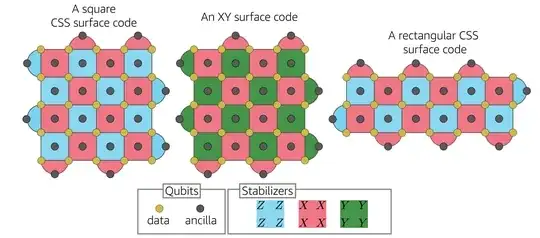
My question is, how do the standard lattice surgery protocols interact with such a surface code patch. Does one need to grow the patch to a square lattice before performing some of the operations?
CNOT - I believe this would work fine using rectangular surface code patches.
H - It seems like when you cross the domain wall; since, the X and Z switch, you would need X and Z to have the same code distance to maintain fault-tolerance.
Y-basis init/measure - It seems to me that this also requires the patch to be square.
S - Also requires a square patch due to the Y Measurement component.
As a consequence of needing to grow the patch to a square, would rectangular surface code patches be rendered pointless, or at least less efficient? Or would they still be worth-while?
